
The previous essays on Marine Corps training are pretty accurate as far as chronology and specifics. There were fixed training curricula that are easy to find on the web if memory needs refreshing.
The Vietnam experience was very individual. The “dialogue” and emotions are not so easy to recreate. It is best to say that fear, anxiety, and homesickness were ever present at various levels. Lack of sleep, exhaustion, anger, and hunger for some decent food were also at the top of the list.
All of the experiences that are written about in the upcoming Vietnam essays are factual in nature but the details, dates and order of things are lost. The dialogue is a rough sketch of reality. The pictures are reasonable representations of what is written. The actual experiences are weaved together to make a story that makes sense. Except for a few, I don’t remember any names of the marines I spent time with. I do remember characters and how they behaved. On the whole, there were a lot of marines who were not the shining heroes portrayed in the movies or on the news. The stress and insanity of the whole thing brought the worst out in people. I was fortunate enough to spend only a short time in Vietnam so was able to control my anger and maintain my composure. If I had spent weeks and months in the bush under fire and constant stress, I know I could have easily turned into an angry, overly violent marine over time.
Also, I do not want to turn my story into an historical novel. So the following information is shared ahead of time.
The progression and the politics of the war and the growing anti-war movement had a big impact on the troops. The Tet offensive in late January and February 1968, as George and I were in training, changed everything. Up until then the war seemed to be winnable. Most of the fighting took place in the mountains, jungles and rice paddies.
During the Tet offensive the NVA and Viet Cong attacked almost all the big cities and towns and held some territory for a while. They captured the US Embassy in Saigon for a brief period. Until then, the major news outlets hadn’t shown much in the way of wounded US troops or civilians. During Tet, the TV news showed full scale combat footage every night. On February 27, 1968, Walter Cronkite, the most respected newsman on TV, had returned from Vietnam after doing extensive observations and interviews. He told the American viewing public that we could not win the war without hundreds of thousands of extra troops and extensive increases in killing on both sides.
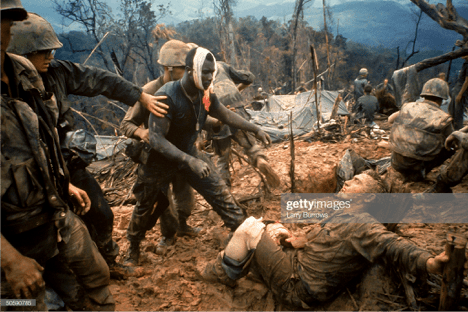
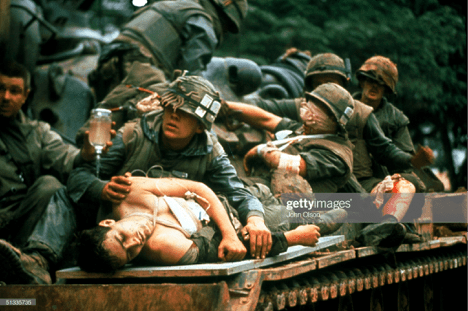
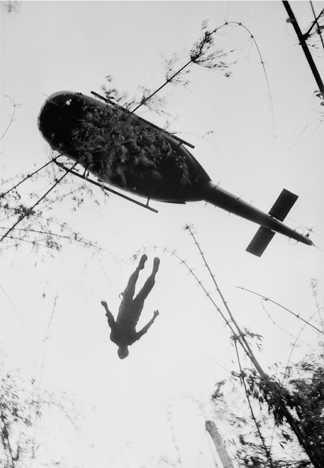
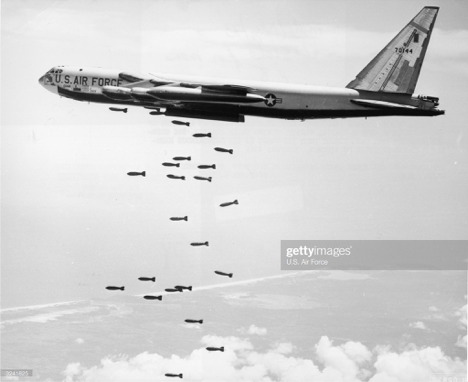
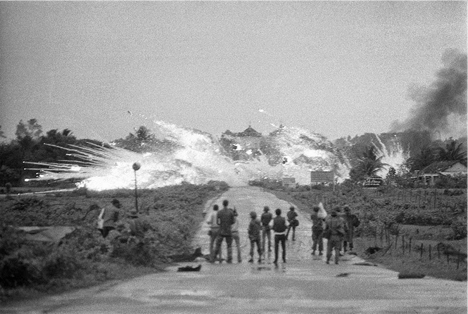
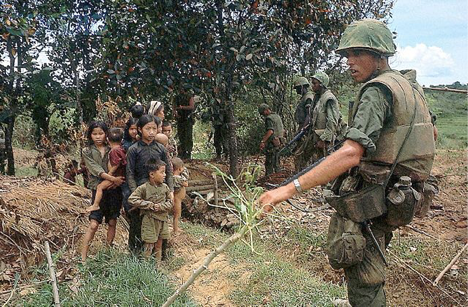
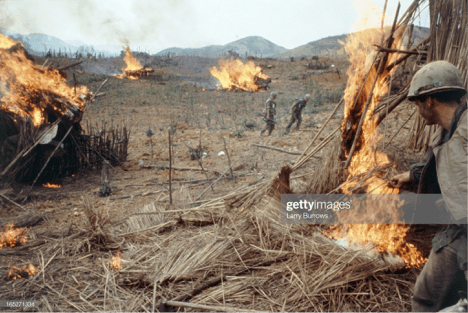
The photos below are representative of the reality faced by American troops and Vietnamese civilians. Photos like these in the US media changed many minds about the war. George and I were still in training. It was difficult for us to reconcile the idea of a “just cause” war with the reality of what was going on. I think we just blocked out the bad information.
The NVA and the Viet Cong also “stained” their honest attempt to reunite the country during the Tet offensive. They rounded up and killed thousands of South Vietnamese officials and other civilians whom they considered traitors for collaborating with the Americans.
During training wewere never told of the culture or history of the Vietnamese. For centuries they had been dominated by the Chinese and then the French who were defeated by the Japanese in WWII. After WWII the French resumed their domination and brutally repressed any resistance. They were defeated by the Vietnamese in 1954 and the country was split between North and South by the United Nations.
The Catholics fled to the South and those who were more nationalistic stayed North. Anybody who studied Viet history knew that the Vietnamese would never allow foreign domination in their country. We had no chance of keeping the South separate from the North. The people at the top of the US government should have known that. Rather, they knew it and decided in their arrogance to proceed anyway. The North Vietnamese were willing to suffer millions of casualties, and they did.
Ultimately, the Tet offensive massively increased the number of Americans against the war. Generally, the people who still supported it were older. Our parents were of the WWII generation. They bravely sacrificed in the fight against the Japanese and German desire to conquer much of the world. The civilians back home sacrificed and had rationing of many common items. It was a fight for our existence as a nation. It was truly a just cause. No one could argue sanely that the Vietnamese communists were a threat to us. But many of the WWII generation said that since they had to fight their war for freedom, now was the time for the next generation to do their duty. “My country, right or wrong” was their slogan. Bobby Kennedy came to the forefront of the 1968 presidential race as an anti-war candidate. He was assassinated in June. Many reasonable people felt that we should get out of Vietnam. But Washington DC couldn’t get out. It would make us look weak in the face of communism. I guess they thought we looked better dead or in wheelchairs.
The following are the types of photos that were seen in the US that provoked an increase in the anti-war movement.
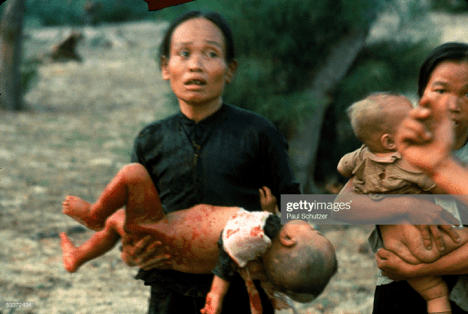
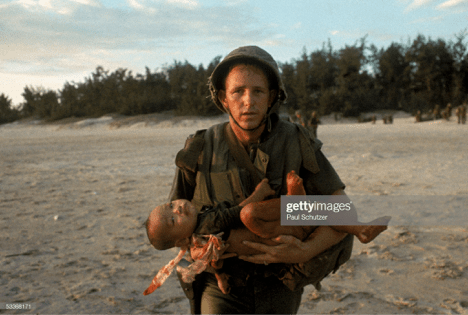
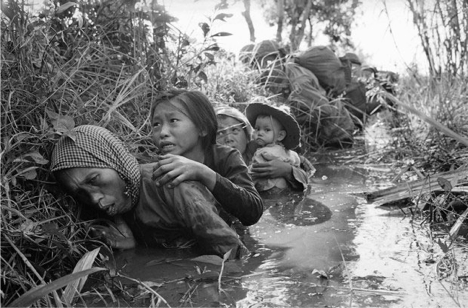
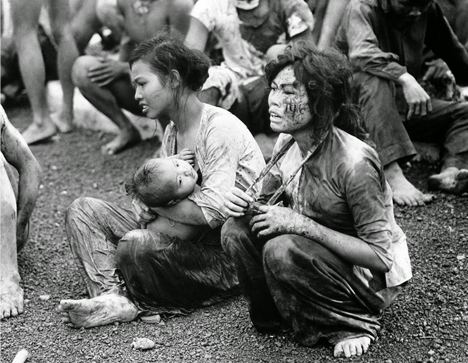
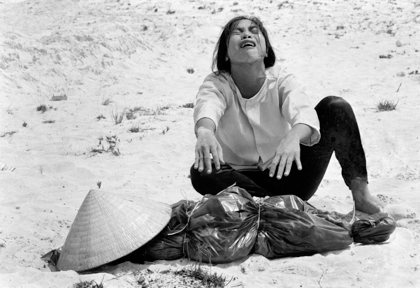
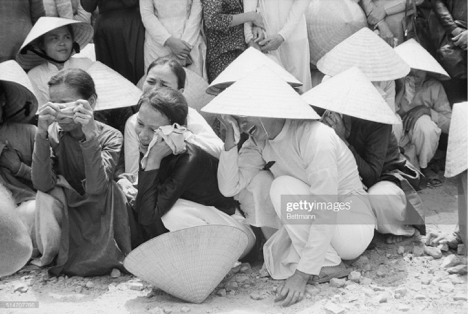
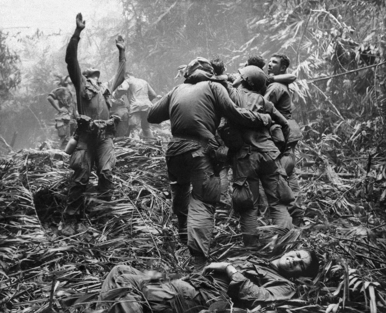
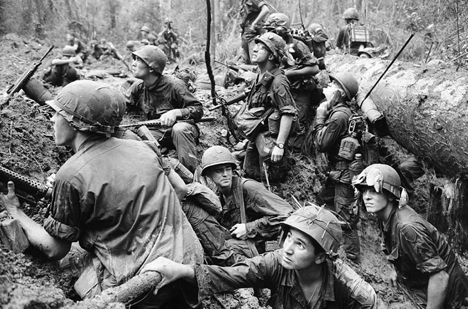
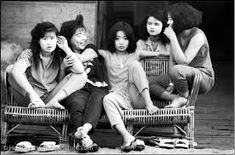
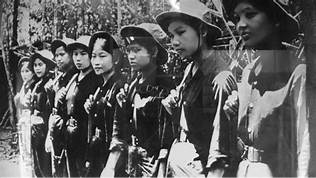
While American troops were using young Vietnamese females as prostitutes, North Vietnamese females were suiting up to march down south and reunite their country.
The violence and destruction of the war caused unimaginable misery for the Vietnamese people as well as the troops. The supporters of the war at home still believed in blind patriotism. No questioning or studying the facts. Many facts about the war were kept secret by the government.
There was no common sacrifice in America other than feeding their sons to the war. The experienced grunts who bore the burden of combat felt that the people of the United States went about their business and left them to rot in this war.
As for me, I had very little truthful information about the justification, goals, and plans for the war other than kill communists. I was too young to have intelligent opinions about the necessity of fighting this war. What I could see in front of me was crazy.
Here are two books that were very helpful in remembering tactics, jargon, and military structure, as well as remind me of stuff that happened in Vietnam that I had forgotten:
Matterhorn, by Karl Marlantes
Fields of Fire, by James Webb
Both are excellent, authentic books about combat in Vietnam
A glossary of terms will be attached within Part 1
 thomasleecurran.com